Is Quake Champions Worth It in 2025? A Deep Dive
The name “Quake” resonates through the halls of FPS history like a Railgun blast. It’s a franchise synonymous with lightning-fast action, sky-high skill ceilings, and a raw, unfiltered competitive spirit. Quake Champions, launched into Early Access in 2017 and officially released in 2022, aimed to carry this formidable legacy into the modern era, blending classic Quake III Arena mechanics with a roster of unique characters, each boasting distinct abilities. But now, in 2025, with the FPS landscape more crowded and diverse than ever, a crucial question lingers for both returning veterans and curious newcomers: Is Quake Champions still worth your time and, potentially, your money?
This deep dive will dissect Quake Champions, examining its core gameplay, current state, monetization model, and community, to help you decide if this high-octane arena shooter deserves a place in your gaming library.
The Unmistakable Quake DNA: A Legacy of Speed and Skill
Before we delve into Champions specifically, it’s vital to understand what “Quake” fundamentally represents. The series, particularly Quake III Arena, cemented the formula for the arena FPS genre. This isn’t about tactical realism, cover systems, or narrative-driven campaigns. Quake is about:
- Pure, Unadulterated Speed: Movement is king. Mastering techniques like strafe-jumping, circle-jumping, and rocket-jumping isn’t just encouraged; it’s essential for survival and dominance. The pace is relentless, demanding constant awareness and lightning-fast reflexes.
- High Skill Ceiling: Quake games are notoriously difficult to master. Aiming requires precision, movement demands finesse, and map control necessitates strategic thinking. The gap between a novice and a veteran is vast, but the journey of improvement is incredibly rewarding.
- Iconic Weaponry: The Quake arsenal is legendary. From the satisfying thud of the Rocket Launcher to the surgical precision of the Railgun and the relentless stream of the Lightning Gun, each weapon has a distinct feel, purpose, and high skill cap.
- Arena-Focused Combat: Maps are meticulously designed playgrounds for deathmatch and duels, emphasizing verticality, item control (armor, health, power-ups), and strategic positioning.
Quake Champions, at its core, attempts to preserve this DNA. The movement feels largely authentic, the weapons are familiar, and the core loop of outmaneuvering and outgunning opponents remains intact. The introduction of “Champions” with unique active and passive abilities is the most significant departure from the classic formula, and it’s where much of the debate around the game’s identity and “worth” lies.
Core Gameplay Mechanics: Classic Quake with a Modern Twist?
- Movement: For many, this is where Quake Champions shines. The fundamental Quake movement physics are present. You can (and must) learn to strafe jump to gain speed, use rocket jumps for verticality and explosive entries, and master the nuances of air control. Different Champions also have varying base speeds, acceleration, and even unique passive movement traits (like Anarki’s hoverboard air control or Slash’s crouch slide). This adds another layer to mastering movement, as you’ll need to adapt to each Champion’s feel. For veterans, it’s a welcome return; for newcomers, it’s a steep but exhilarating learning curve.
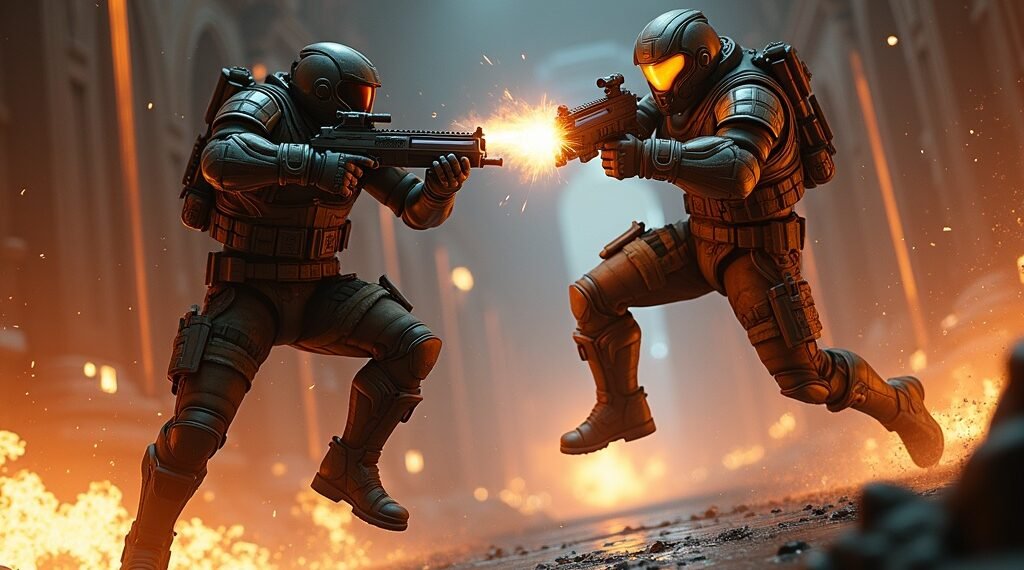
- Gunplay: The holy trinity of Rocket Launcher, Railgun, and Lightning Gun is here, and they feel largely as they should. Rockets have that satisfying splash damage, rails demand pinpoint accuracy for massive damage, and the LG is a terrifying beam of continuous pain. Other classics like the Shotgun, Machine Gun, and Nailgun round out the arsenal. The gunplay is demanding and rewarding. Hitting a mid-air rail or perfectly leading a rocket onto a fast-moving opponent is an unmatched thrill.
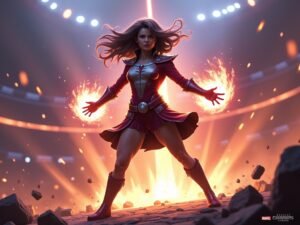
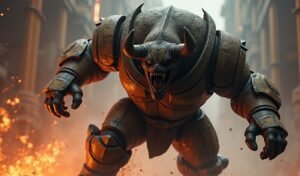
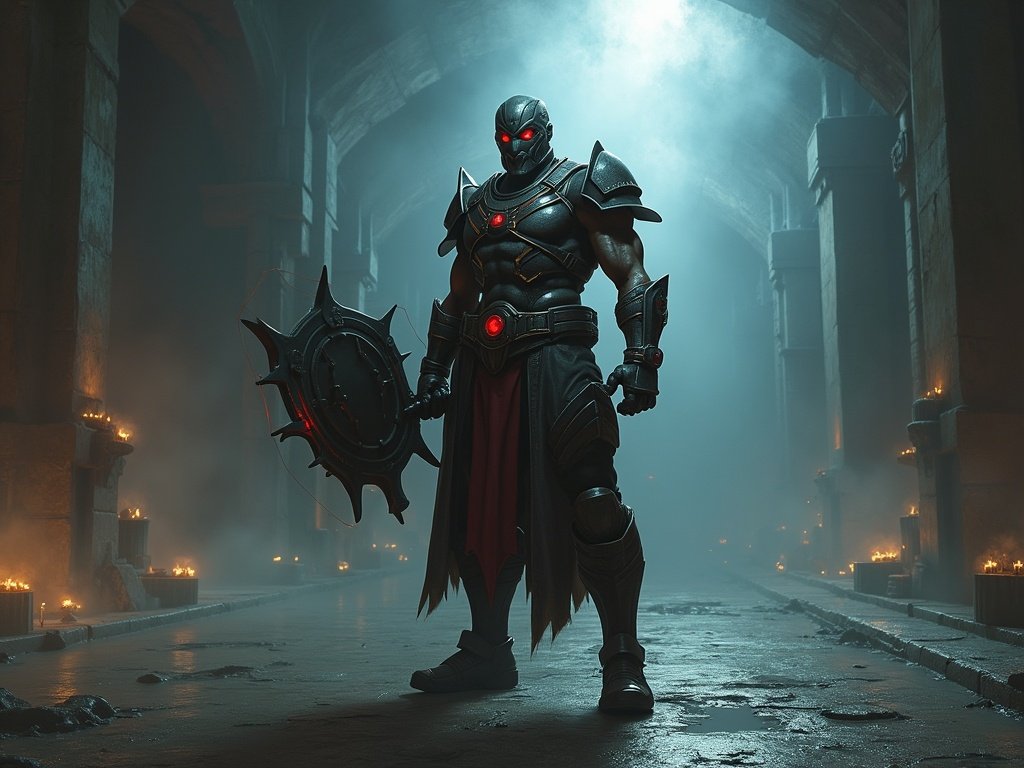
- Champions and Abilities: This is the game’s biggest innovation and its most contentious point. Quake Champions features a roster of characters, some returning from previous Quake games (Ranger, Visor, Sorlag, Death Knight) and others new to the franchise (Nyx, Scalebearer, Galena). Each Champion has unique stats (health, armor, speed) and two abilities: an active ability (e.g., Ranger’s Dire Orb teleport, Nyx’s Ghostwalk invisibility, Scalebearer’s Bull Rush) and a passive ability (e.g., Visor’s Piercing Sight, Sorlag’s Acid Spit, Galena’s Unholy Totems).The intent behind Champions was to add strategic depth and variety. Abilities can create clutch moments, offer new tactical options, and allow players to find a Champion that suits their playstyle. However, for some Quake purists, abilities dilute the “pure” skill-based nature of classic Quake, where everyone started on an equal footing with identical characters. Balancing these abilities has been an ongoing challenge for the developers, and some abilities can feel more impactful or frustrating to play against than others. Pro player feedback from early 2024, for instance, highlighted ongoing discussions about the balance of champions like Death Knight, Eisen, and Visor.
Game Modes: From Duels to Team Mayhem
Quake Champions offers a standard suite of arena shooter modes:
- Duel: The ultimate test of skill. 1v1, best-of-three frags, with players picking a roster of three Champions to bring into the match. This mode emphasizes map control, item timing, and deep knowledge of Champion matchups.
- Team Deathmatch (TDM): Classic team-based fragging.
- Deathmatch (DM/FFA): Every player for themselves. Chaotic and fast.
- Instagib: One shot, one kill with the Railgun. A test of pure aim and reflexes.
- Other modes like Unholy Trinity (Rocket, Rail, LG only), Hot Rockets, and Clan Arena appear in rotation or custom games.
The variety is decent, but the heart of competitive Quake has always been Duel, and TDM remains a popular choice for team play.
The Unforgiving Climb: Learning Curve & Skill Ceiling
Let’s be blunt: Quake Champions is not an easy game to pick up and play, especially if your FPS background is primarily in modern military shooters or battle royales. The learning curve is exceptionally steep.
- Movement: Getting a grasp of basic strafe jumping takes time and dedicated practice. Advanced techniques require even more commitment.
- Aiming: The fast pace and aerial nature of combat mean tracking and flick shots are paramount.
- Map Knowledge: Understanding map layouts, item spawns (Mega Health, Heavy Armor, Power-Ups), and strategic chokepoints is crucial.
- Weapon Nuances: Each weapon has an optimal range and usage scenario.
- Champion Abilities: Learning what each Champion does, their cooldowns, and how to counter them adds another layer of complexity.
The skill ceiling is, consequently, incredibly high. This is a double-edged sword. For those who relish a challenge and the pursuit of mastery, Quake Champions offers a depth few other FPS games can match. The feeling of improvement, of finally nailing that complex rocket jump or consistently hitting rails, is immensely satisfying. However, for more casual players, the initial experience can be brutal and demoralizing. You will get stomped repeatedly by experienced players. Matchmaking can be a mixed bag, sometimes pitting new players against seasoned veterans, which can exacerbate this issue.
Monetization: Free-to-Play with Caveats
Quake Champions is free-to-play. You can download it and start playing without an upfront cost. However, like most F2P titles, it has a monetization model:
- Champions: When the game launched, players started with Ranger and could unlock other Champions through in-game currency (Favor) earned by playing, or by purchasing them with real money (Platinum). Alternatively, the “Champions Pack” (a one-time purchase) unlocked all current and future Champions. As of recent years, all microtransactions for gameplay-affecting elements like champions were removed, and players can unlock all champions by simply playing the game or by purchasing the now very affordable Champions Pack.
- Cosmetics: The primary ongoing monetization comes from cosmetic items: weapon skins, Champion skins, shaders, profile icons, nameplates, etc. These can be earned through loot boxes (obtained by playing or purchasing) or bought directly. These are purely cosmetic and offer no gameplay advantage.
The F2P model makes the game accessible, which is a plus. You can try it out, see if its demanding gameplay clicks with you, and even unlock a good roster of Champions without spending money if you’re patient. The removal of paid advantages for champions was a positive step for the community.
The Current State of the Game (Early-Mid 2025 Perspective)
Assessing the “worth” of a multiplayer game heavily depends on its current health:
- Player Base: This is perhaps Quake Champions’ biggest challenge. Compared to mainstream FPS giants, its player base is small. Steam Charts data from early 2025 typically shows peak concurrent players in the hundreds, not tens or hundreds of thousands. This can lead to longer queue times, especially for less popular modes or in certain regions. However, a dedicated core community remains.
- Community: The Quake community, while smaller, is passionate. You’ll find dedicated players who have been with the franchise for decades, as well as newer enthusiasts. Resources like Reddit (r/QuakeChampions) and various Discord servers are active, offering tips, discussions, and organizing community tournaments. However, like any competitive game, you might encounter toxicity, though many veterans are also willing to help newcomers.
- Ongoing Support/Updates: Active development with major content updates has slowed significantly. While there have been balance patches and bug fixes, the game is largely considered to be in a “feature complete” or maintenance mode. SyncError, a key community-facing developer, has been praised for efforts to keep the game playable and address community concerns, but the resources of a full development team are no longer apparent. This means new Champions, maps, or major features are unlikely.
- Technical Performance & Netcode: Historically, Quake Champions faced criticism for performance issues and inconsistent netcode. While many improvements have been made over the years, some players still report occasional frustrations with hit registration or server performance, particularly in high-ping situations. Reddit discussions in late 2024 and early 2025 sometimes still mention these lingering netcode concerns.
Who is Quake Champions For?
Quake Champions is “worth it” for a specific type of player:
- Quake Veterans: If you grew up on Quake III Arena or Quake Live and miss that specific brand of high-speed, skill-based arena combat, Champions offers the closest modern equivalent. The core feel is there.
- Aspiring Arena FPS Masters: If you’re looking for a shooter with an incredibly high skill ceiling that will reward hundreds, if not thousands, of hours of practice, QC delivers.
- Players Who Value Mechanical Skill: If you enjoy games where raw aiming ability and complex movement techniques are paramount, you’ll find a deep well to draw from here.
- Those Seeking a Pure Adrenaline Rush: Matches are fast, intense, and unforgiving.
- Budget-Conscious Players: Being free-to-try (with all champions unlockable through play) lowers the barrier to entry significantly.
Who Might Not Find It Worth Their Time?
- Casual FPS Players: If you’re looking for a game to hop into for a few relaxed matches, QC’s steep learning curve and intense gameplay might be more frustrating than fun.
- Players Easily Discouraged: The initial experience can be brutal. If you’re not prepared to lose a lot while learning, this might not be for you.
- Those Who Dislike Champion Abilities in Quake: If you’re a purist who believes abilities have no place in Quake, you might find this iteration frustrating, even if the core mechanics are solid.
- Players Seeking Large, Thriving Player Bases: If quick matchmaking in all modes at all times is a priority, the smaller player count could be an issue.
- Those Wanting Constant New Content: With development having slowed, don’t expect a stream of new maps, champions, or major gameplay updates.
Pros & Cons at a Glance
Pros:
- Unmatched Skill Ceiling: Incredibly rewarding to master.
- Unique and Deep Movement System: A game in itself.
- Satisfying Classic Quake Gunplay: Weapons feel impactful and require skill.
- True Arena FPS Experience: A rare breed in today’s market.
- Free-to-Play Access: Easy to try before you commit significant time or any money.
- Distinct Champion Designs and Abilities (for those who enjoy them): Adds a layer of strategic variety.
- Passionate Core Community: Dedicated players keep the spirit alive.
Cons:
- Extremely Steep Learning Curve: Can be alienating for newcomers.
- Relatively Small Player Base: Can lead to longer queue times and less varied matchmaking.
- Champion Abilities Can Be Divisive: Some feel they detract from “pure” Quake.
- Netcode/Performance Issues: Though improved, occasional problems can still arise.
- Limited Ongoing Development: The game is largely what it will ever be in terms of content.
- Initial Grind (Historically): Unlocking all champions without the pack used to take considerable time, though this is less of an issue now.
The Verdict: Is Quake Champions Worth It in 2025?
So, the million-dollar (or rather, zero-dollar entry fee) question: Is Quake Champions worth it?
Yes, with caveats.
If you are a fan of classic arena FPS gameplay, crave a high-skill challenge, and are willing to invest significant time to learn its intricate systems, then Quake Champions is absolutely worth diving into. The core gameplay loop of lightning-fast movement, precise aiming, and strategic item control is as exhilarating today as it was in Quake III’s heyday. The fact that you can experience this for free, with all champions unlockable through gameplay, makes it a very low-risk proposition.
However, you must go in with realistic expectations. This is not a game that will hold your hand. It demands dedication. The player base is smaller and highly skilled, meaning you will face tough opponents. Development has largely ceased, so the game you play today is likely the game you’ll be playing a year from now.
The “worth” of Quake Champions in 2025 isn’t just about its (lack of) price tag; it’s about the value of the experience it offers relative to the time investment it demands.
- For the FPS purist seeking the ultimate skill test: It’s a gem, a rare bastion of a beloved subgenre.
- For the curious newcomer intrigued by Quake’s legacy: It’s a challenging but potentially deeply rewarding history lesson and skill forge.
- For the casual player looking for quick, easy fun: It’s probably a pass.
The Future of Quake Champions: A Legacy Maintained
Quake Champions may not have set the world коммерчески on fire like some of its contemporaries, but it has carved out a niche and serves as a crucial touchstone for the arena FPS genre. Its future seems to be one of community-driven persistence rather than developer-led expansion. As long as the servers remain online and that dedicated core of players continues to frag, rocket jump, and rail each other into oblivion, Quake Champions will remain a testament to a timeless formula of skill, speed, and pure, unadulterated first-person shooter action.
Ultimately, the best way to determine if Quake Champions is worth it for you is to download it and give it a try. Embrace the challenge, be patient with the learning process, and you might just discover one of the most rewarding and exhilarating FPS experiences still available today. Just be prepared to die. A lot. And then, hopefully, to start dishing it out yourself.